
- BY J9C
- POSTED IN News
- WITH 0 COMMENTS
- PERMALINK
- STANDARD POST TYPE
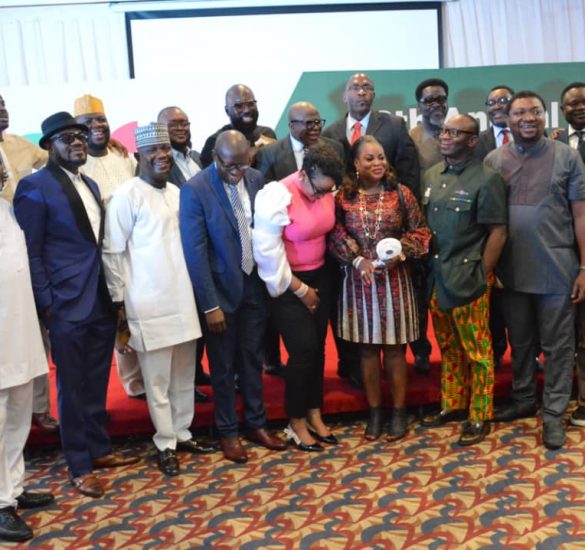
“2021 annual lecture title was informed by the end SARS campaign and the Sorosoke generation. The end SARS campaign was reflective of a number of socio-economic and political issues and problems in Nigeria. Against this backdrop, speakers and panelists were selected based on expertise in various fields e.g. education, youth, politics, journalism, law, transportation, literature and art, business consultancy and public policy. The speakers and panelist were of different generation in line with J9C vision of inclusivity. The keynote speakers were Professor James Yeku and Dr. Nenadi Adamu. Special Guests- Fola Bank- Olemoh and Akin Oyebode. The Panelists were Prof. Anthony Kila, Oyinkansola ‘Foza’ Fawehinmi, Olajide Alara, Hon. Deji Ogunsakin, Dara Apampa and Simon Kolawole. The moderator was Steve Ayorinde. The Royal Father of the day was HRM Oba Adbulwasiu Gbolahan Lawal [Oniru of Iru Kingdom, Lagos State]. The online platform provided the opportunity for wider participation of those in Nigeria and Diaspora who could not travel because of COVID19 pandemic restrictions. “
Summary
The presentations from the keynote speakers and the panelists’ reflections and viewpoints covered a variety of areas such as education, governance and political structure, young people, technology, economic and social development, entrepreneurship, culture, commerce and trade, and more broadly sustainable development. Apart from the keynote speakers and panelists identifying the problems affecting Nigeria, which of course does not bear repeating here as they are very well known, they offered solutions and implementation strategies. Rethinking and revisiting of public policies and interventions featured significantly in the solutions proffered. There is an obvious and notable vibe from participants, which is optimism that Nigeria as a nation can turn the current situation around, if stakeholders, political and business leaders, and citizens can be pragmatic, responsive, and dynamic and forward thinking.
Development focus and Strategies
Below are key points from the lecture summarized using themes
Economy: Nigeria’s economy needs to diversify, e.g. providing growth opportunities for private business, less dependency on oil, revisiting national economic policies, international cooperation in areas of trade and investment, embracing technology and e-commerce, investment in agriculture, promoting social entrepreneurship and exportation of products and goods produced in the country.
Infrastructure: Massive infrastructural development project, e.g. investment in transportation [road, water, air, rail], renewable and sustainable energy, telecommunications, water, sanitation etc. Collaboration with private sector is important to infrastructural development [e.g. public private partnership]. Maintenance culture must also be encouraged. The need for staged approach is required with both short-term and long term goals and strategies.
Education: Massive investment in education from early years, primary, secondary, further education and higher education. Promotion of vocational education is central to economic development and entrepreneurship. Improvement in the standards of living for teachers at all levels. Massive investment in education will provide a platform for young people to flourish and develop, as it serves as empowerment strategy. Investment in education should also include a review of curriculum at all levels- taking into consideration context and the need to decolonize the curriculum. The proliferation of private universities needs to be reviewed.
Governance: Restructuring of governance and downsizing of public sector. The public sector is over bloated and serves as a drain of resources and also encourages unnecessary bureaucracy. Accountability, efficiency and performance should drive the 21st century public sector in Nigeria. Progressive reforms that will attract brilliants minds to the private sector
Citizens: active participation and engagement of citizens in policy formulation and implementation. Government needs to be responsive to the needs of citizens. Permanent or transitional social welfare provisions covering health, education etc.
Diversity: The need to appreciate and celebrate socio-cultural diversity. We need to promote our cultural heritage as there are positives, e.g. tourism.
2021 Annual Lecture