

News
Issa-Onilu, Ben Tomoloju, Surajudeen Mudashiru for J9C anniversary lecture
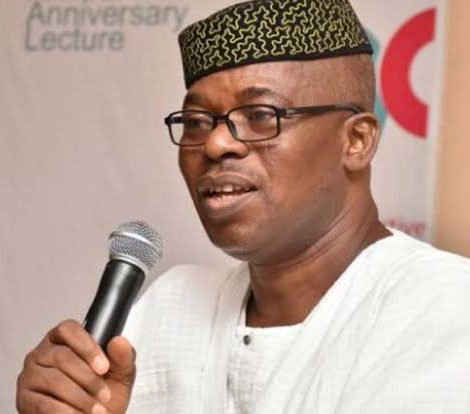
Director-general of the National Orientation Agency (NOA) Lanre Issa-Onilu has been confirmed as special guest of honour at the 12th anniversary lecture of socio-economic group January 9 Collective (J9C). Themed “The Role of Values in Nation Building,” the lecture will hold on Tuesday, January 9 at KAP Hub, 41, Ogundana Street, off Allen Avenue, Ikeja in Lagos. Playwright, theatre director and journalist Ben Tomoloju will deliver the keynote speech while Professor Surajudeen Mudashiru of the Department of Political Science, Lagos State University (LASU) will be guest speaker. A statement by captain of J9C Kingsley James on Sunday said the choice of lecture theme is influenced by the need to critically examine the beliefs and influences that inspire actions taken at individual and group levels. “As a group dedicated to good governance and socio-economic development, J9C is looking at the role of values in past, present and future Nigeria. We are particularly committed to positively influencing the thoughts and actions of Nigerians, particularly the youths who form majority of the population,” Mr James said. The J9C captain added that speakers and panelists for the annual lecture were carefully selected from eminent Nigerians knowledgeable about the subject. Panelists at the conference are veteran broadcaster, Bimbo Oloyede; theatre, film and cultural studies lecturer, Professor Tunji Azeez, and former district governor, Rotary International District 9110, Dr Adewale Ogunbadejo. J9C was established in Lagos on January 9 2012 by a group of friends and colleagues with the conviction that every Nigerian has a vital role in nation-building and development. It celebrated its first anniversary in 2013 with the introduction of an annual lecture to further project the members’ common values and love for Nigeria and its people. The annual lecture has become recognised as a gathering for intellectual discussion and networking. Speakers and special guests at past lectures include former speaker of the House of Representatives and chief of staff to President Bola Tinubu, Femi Gbajabiamila; former Governor Akinwunmi Ambode of Lagos State; former Governor Segun Oni of Ekiti State; former Lagos Peoples Democratic Party (PDP) governorship candidate, Jimi Agbaje; former executive chairman of the Federal Inland Revenue Service (FIRS), Babatunde Fowler, and Alara of Ilara-Epe, Oba Olufolarin Ogunsanwo. Others include Oniru of Iruland, Oba Gbolahan Lawal; media proprietor and producer, Funmi Iyanda; chairman, Ovation Media Group, Dele Momodu; director, Commonwealth Institute of Advanced and Professional Studies (CIAPS), Prof Anthony Kila, founder, LEAP Africa, Ndidi Nwuneli, and executive director, Enough is Enough, Yemi Adamolekun.
Kingsley James emerges captain as J9C elects new exco
Chief executive officer of Indoor Design and Concept Limited (IDCLng), Kingsley James, has been elected Captain of socio-economic group January 9 Collective (J9C). Mr James emerged unopposed on Sunday, June 4 at an election conducted by the January 9 Collective Electoral Committee headed by Mike Dada with Adeniyi Adelaja serving as secretary. He succeeds Publisher of News of the People, Titiloye Amzat, as leader of the group. Others elected into the new executive council of J9C are Abiodun Oshinibosi, Vice-Captain; Azuh Arinze, General Secretary; Olanrewaju Akintilo, Assistant General Secretary; Adebayo Abolarin, Financial Secretary; Olumide Iyanda, Publicity Secretary; Adeyemi Aseperi, Membership and Mobilization Secretary, and Debo Alexander, Welfare and Social Secretary. Speaking after his inauguration as captain, James thanked members of the Collective for giving him 100 percent votes which he said confirmed the acceptance of his campaign of rebirth and reenergisation of the association. Recalling how J9C was formed on January 9, 2012 in the aftermath of the Occupy Nigeria protest, he said “Our focus was to birth a Collective (mostly of friends at the time) that will impact government policies while promoting ideas that will benefit our collective interest.” He noted that 11 years after, J9C has evolved, grown and become more dynamic. “The election and result that birth this new EXCO soars my conviction that the Collective agrees to unitedly face the path of rebirth and reenergisation as evidenced in the fact that most offices were by legal consensus with the requisite number of votes required to affirm the office secured. This Exco is the first time we will have no contestant whatsoever at all levels,” he added. James saluted his predecessors Percy Ademokun, Oluwaseunfunmi Soyinka, Wole Olagundoye, Akin Adeoya and Amzat whom he said managed the Collective to the best of their abilities. He also thanked founder of Nairametrics Ugochukwu Obi-Chukwu for delivering the inauguration lecture, calling on the latter and others to become members of J9C.
Evolved Generation, Fresh Voices and Pragmatic Next Steps
"2021 annual lecture title was informed by the end SARS campaign and the Sorosoke generation. The end SARS campaign was reflective of a number of socio-economic and political issues and problems in Nigeria. Against this backdrop, speakers and panelists were selected based on expertise in various fields e.g. education, youth, politics, journalism, law, transportation, literature and art, business consultancy and public policy. The speakers and panelist were of different generation in line with J9C vision of inclusivity. The keynote speakers were Professor James Yeku and Dr. Nenadi Adamu. Special Guests- Fola Bank- Olemoh and Akin Oyebode. The Panelists were Prof. Anthony Kila, Oyinkansola ‘Foza’ Fawehinmi, Olajide Alara, Hon. Deji Ogunsakin, Dara Apampa and Simon Kolawole. The moderator was Steve Ayorinde. The Royal Father of the day was HRM Oba Adbulwasiu Gbolahan Lawal [Oniru of Iru Kingdom, Lagos State]. The online platform provided the opportunity for wider participation of those in Nigeria and Diaspora who could not travel because of COVID19 pandemic restrictions. " Summary The presentations from the keynote speakers and the panelists’ reflections and viewpoints covered a variety of areas such as education, governance and political structure, young people, technology, economic and social development, entrepreneurship, culture, commerce and trade, and more broadly sustainable development. Apart from the keynote speakers and panelists identifying the problems affecting Nigeria, which of course does not bear repeating here as they are very well known, they offered solutions and implementation strategies. Rethinking and revisiting of public policies and interventions featured significantly in the solutions proffered. There is an obvious and notable vibe from participants, which is optimism that Nigeria as a nation can turn the current situation around, if stakeholders, political and business leaders, and citizens can be pragmatic, responsive, and dynamic and forward thinking. Development focus and Strategies Below are key points from the lecture summarized using themes Economy: Nigeria’s economy needs to diversify, e.g. providing growth opportunities for private business, less dependency on oil, revisiting national economic policies, international cooperation in areas of trade and investment, embracing technology and e-commerce, investment in agriculture, promoting social entrepreneurship and exportation of products and goods produced in the country. Infrastructure: Massive infrastructural development project, e.g. investment in transportation [road, water, air, rail], renewable and sustainable energy, telecommunications, water, sanitation etc. Collaboration with private sector is important to infrastructural development [e.g. public private partnership]. Maintenance culture must also be encouraged. The need for staged approach is required with both short-term and long term goals and strategies. Education: Massive investment in education from early years, primary, secondary, further education and higher education. Promotion of vocational education is central to economic development and entrepreneurship. Improvement in the standards of living for teachers at all levels. Massive investment in education will provide a platform for young people to flourish and develop, as it serves as empowerment strategy. Investment in education should also include a review of curriculum at all levels- taking into consideration context and the need to decolonize the curriculum. The proliferation of private universities needs to be reviewed. Governance: Restructuring of governance and downsizing of public sector. The public sector is over bloated and serves as a drain of resources and also encourages unnecessary bureaucracy. Accountability, efficiency and performance should drive the 21st century public sector in Nigeria. Progressive reforms that will attract brilliants minds to the private sector Citizens: active participation and engagement of citizens in policy formulation and implementation. Government needs to be responsive to the needs of citizens. Permanent or transitional social welfare provisions covering health, education etc. Diversity: The need to appreciate and celebrate socio-cultural diversity. We need to promote our cultural heritage as there are positives, e.g. tourism. 2021 Annual Lecture
My Thoughts On Nigeria’s Next Move
By Fela Bank-Olemoh I was recently invited as a guest speaker to January9Collective’s Annual Lecture 9.0; where I shared my thoughts on some pragmatic steps we could take as a nation. Thought you might enjoy reading the speech too. John Wooden said; “If we fail to adapt, we fail to move forward.” The truth is, our nation’s current reality is a build-up of over 60 years’ worth of actions and inactions and there is a need for us to pick up the pace. Recent data posits that in the year 2030, Nigeria will be the 5th largest populous country in the world and this fact will definitely stretch our resources. Currently, the petroleum industry accounts for about nine percent of Nigeria’s GDP and over 90 percent of all export value. As climate change issues exacerbate, countries whose economy rely majorly on oil will face huge economic uncertainties. As a result, it is clear that for a country like ours, where oil plays a major role in our economy, we need to make some key decisions. To do this, here are 4 pragmatic steps I think we need to take as a nation. 1. All Key Stakeholders Must Come Together This includes the three arms of government – the political and Nigerian elite, the youths and the average Nigerian citizen. I strongly believe we can remarkably move the needle if every relevant stakeholder commits to a holistic intervention that will effectively leverage all resources and manpower in building the nation. Why is this important? As an ardent lover of football, I regularly use football as a prism to talk about life. Imagine Nigeria as a football team competing to win the Champions League, to stand a chance, we must put our best players on the pitch. Likewise, for us to have a chance in this globally competitive world, all key stakeholders must come together to create impactful changes in the nation. Vishnu Varathan, senior economist at Mizuho Bank speaking about one of my favourite leaders, Lee Kuan Yew’s impact as Singapore’s founding Prime Minister described him as a visionary leader who was Singapore’s chief architect in harnessing social cohesion despite ethnic and religious diversity (this reminds me of Nigeria); thereby engineering an economic miracle. He was committed to creating a universally accessible top-flight education system which was reflected in his economic policy that identified human capital as Singapore’s key competitive advantage. This understated principle accelerated economic growth by creating room for upward social mobility for all, emphasizing meritocracy with little tolerance for complacency or corruption. This, complemented by a fair and transparent judiciary, made businesses thrive in the country. Thus, to facilitate our nation’s next movement we must ensure that all our key stakeholders are committed to the Nigerian Project. Likewise, the popular saying by the English poet John Donne, “no man is an island,” compares people to countries, and emphasizes the interconnectedness of all people. Hence, to build as one, we must come together. 2. Transparency in Governance This generation will continue to ask questions and demand value. Hence, transparency, accountability and effective communication is crucial to gain, sustain and when necessary, win back the trust of the people. You will notice that the most transparent countries; those with open business and government practices, well-distributed political power, high levels of trustworthiness and low levels of perceived corruption, tend to be among the world’s strongest democracies and affluent nations. Therefore, it is wise to pay attention to the major by-product of lack of transparency in governance, which is corruption. The global perception-based survey depicts that countries with the least corruption are typically advanced economies. For instance, Canada, Norway and Denmark are ranked 1st, 2nd and 3rd in the 2019 index. Larger developed countries like the United Kingdom (12th), Japan (14th) and the US (18th) all rated well near the top of the list. However, one country that may seem to buck the trend is China (34th). As the second largest economy in the world, throughout the 1900s and 2000s China enjoyed rapid GDP growth despite a lack of transparency in governance. Currently, due to evolving international expectations, China is now becoming more open compared to its own past practice. We can therefore surmise that; there is a direct correlation between transparency and the way an economy thrives. The more transparent a country is, the more prosperous the economy becomes. Hence, for a country of our size, with our population mix and diversity, transparency is crucial if we are committed to changing the narrative of our nation. 3. Redesign Key Sectors in the Country To facilitate the progress towards our nation’s next move, key sectors must be restructured. For instance, our education infrastructure will need an overhaul as there is a strong correlation between access to quality education and the socio-economic development of any nation. A report by the Organization for Economic Cooperation and Development (OECD) shows that increasing access to education, and the skills needed to participate fully in society would significantly boost the GDP in lower-income countries by an average of 28% per year, and 16% per year in high-income countries. An example of this is South Korea. With a 78% illiterate population after the Korean War, and a per capita income of US $200 in 1970, the World Bank Group considered South Korea to be too risky for even the lowest interest rate loans. Convinced that education was the best way to pull their country out of misery, the South Korean Government focused on overhauling schools and committed to providing quality education for every child. Today, South Korea has a 98% literacy rate and is a high-income country with a per capita income that surpasses US$30,000. A nation once labelled one of the poorest is now the 12th largest economy in the world. The former president of South Africa, Nelson Mandela captured the importance of education aptly by saying “Education is the most powerful weapon which you can use to change the world.” Thus, we must expand our access to education across board (tertiary, primary and secondary) using technology and also by providing more lecture theatres and classrooms. Similarly, there is a need to improve the quality of our teachers, as I opined in one of my articles that the singular most important factor for improving the educational outcomes in any nation are the teachers. Whilst there are several other challenges in the education sector, emphasis must be placed on the role of TVET (Technical and Vocational Education and Training) in preparing students effectively for the global workforce. TVET and skills development are important components in promoting economic growth in general and addressing youth unemployment in particular. Therefore, across the country there must be access to vocational and technical education infrastructure that allows us to turn out millions of midlevel manpower with the relevant skills to compete in the global economy. 4. Inspire our People Inspiration is one of the most important leadership traits, fuelled by passion and purpose. Richard Branson identifies the ability to inspire as the single most important leadership skill. The capability to infuse energy, passion, commitment and connection to an organization’s mission and direction is essential in any growing nation. As a result, we need to give hope and inspire Nigerians to dream again. An ancient King in Israel, Solomon did say; “hope deferred makes the heart sick.” So, how do we inspire our people? We must give our people a clear vision and help them visualize possibilities. We must make them believe in our country again. This point for me is probably the most important step we need to take as a nation. I believe we aren’t the largest black nation on earth by happenstance, fate has bestowed that upon us. So, let’s keep the hope alive and keep moving ahead. I’m confident that we will take our rightful place in the committee of nations. Till the next time we meet here, remember we all have “A Role to Play”. Stay Blessed.
Exco Members
Kingsley Oghenero James

Abiodun Richard Oshinibosi
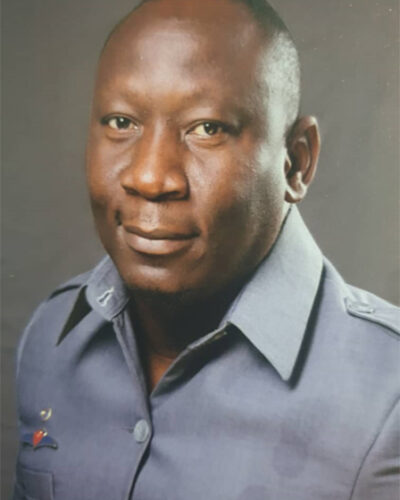
Azuh Arinze
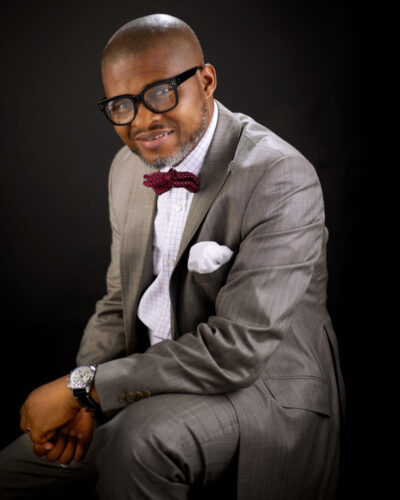
Olumide Iyanda
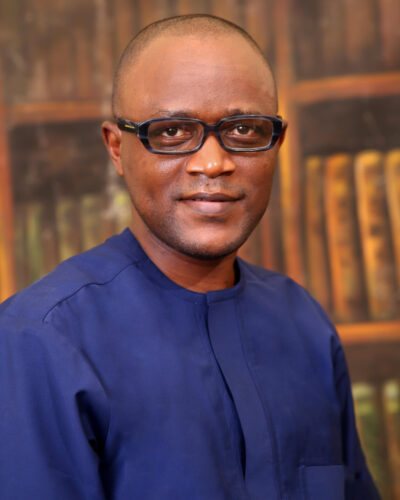
Adebayo Abolarin
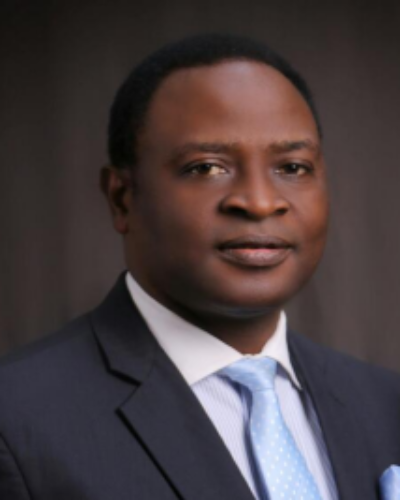
Debo Alexander
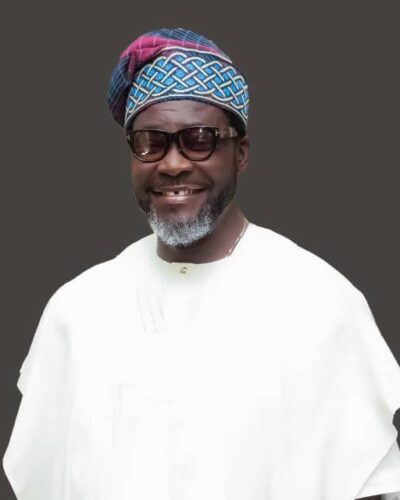
what other people say about us.
Testimonials
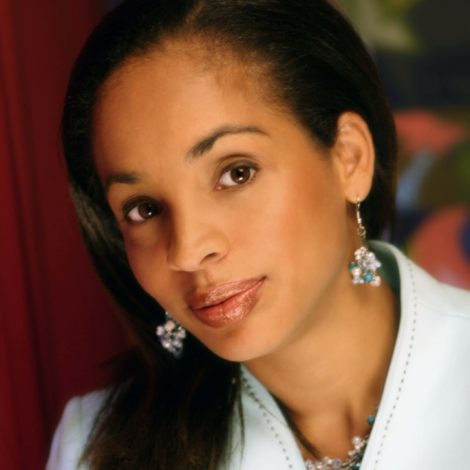
NDIDI NWUNELI – Founder of Leap Africa
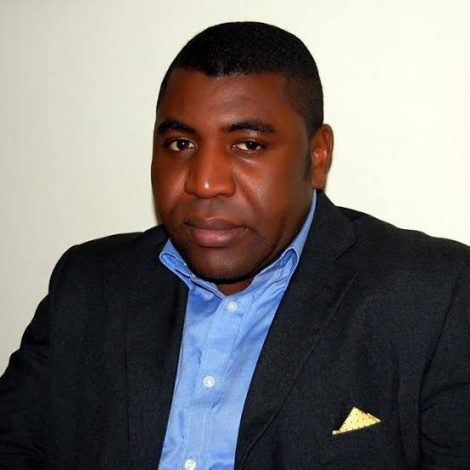
ANTHONY KILA – Professor at Cambridge University

NENADI ADAMU – Snr. Lecturer University of Bedfordshire